The Reading Room Project currently being developed for Gosford CBD, will be predicated on changing ways of thinking about space, place and art in public. The following post adds to the discussions already held, and to the references on an earlier posting ‘Space and Place’.
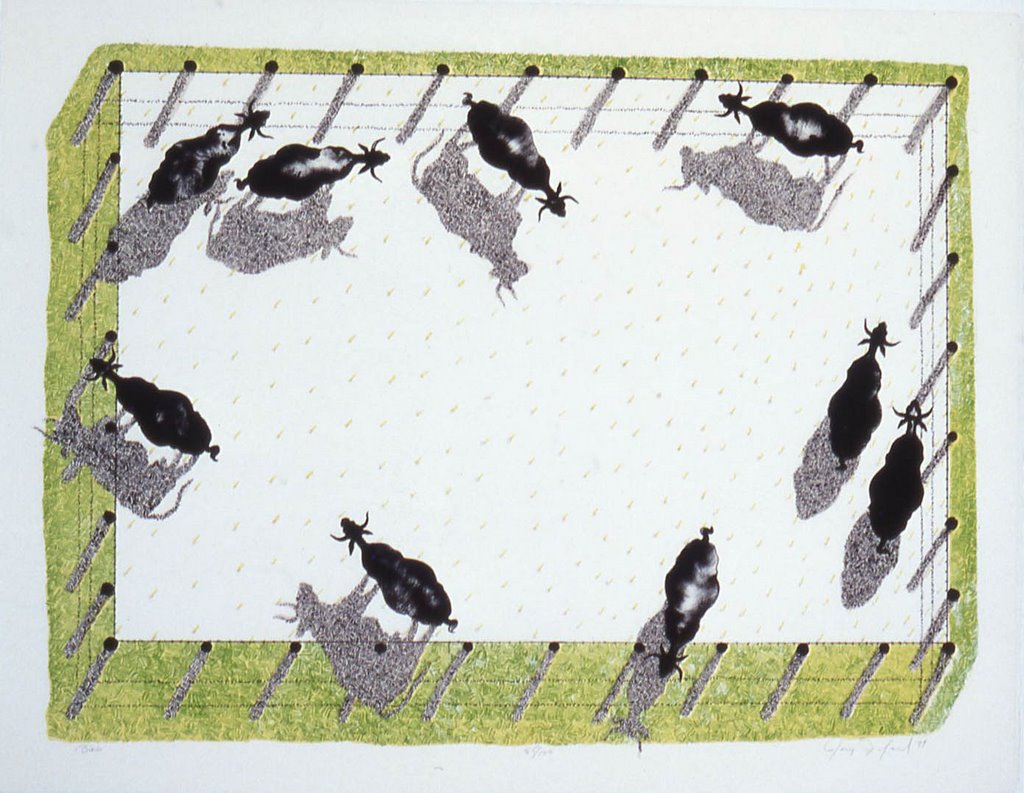
Public Space illustration. Artist: Joe Fafard.
In current intellectual inquiry, all of these terms, “space”, “place” and “the public”, are contested. Which indicates that changing circumstances are calling into question the assumptions upon which we have been relying.
For example when we make an art incursion into a public space we must firstly have an idea of what “space” is, and if there are new ways of thinking about the concept. As
Charlotte Bydler says of public art in relation to the ‘Out of Site Symposium’, “its main aim should …. be to problematise society, culture or art itself”, and by extension engage different conceptions of social space and time.
And when we speak of the public (as in public art), which public do we mean, and what does it signify that there is no longer a singular public identity?
We now have a dog’s breakfast of outpourings about Australian Values and identity politics. Clearly society and culture are already “problematised”.
Perhaps art in the last hundred years has always been made, at least to some degree, for an imaginary public or audience.
We are accustomed to thinking of public spaces geometrically, as architectural, rather than existing as social and democratic potentials i.e. static rather than dynamic. Their function follows their ‘understood’ form, as undifferentiated multi functional no-mans’ lands between structures demarking Property. They are designed and decorated, and their meaning is inscribed by planners, which means they are fixed, not fluid, and they service adjacent interests.
Felix Stalder, in discussing an art project ,
BlackBenzRace , presents an interesting model of a conception of space found in the writings of Manuel Castells. He writes, “At this stage, the project makes a series of tentative proposals about how to deal with the transformation of (public) space, artistically and theoretically, which is being fragmented and reintegrated under our very feet.”
“Traditionally, public space is thought as something entirely local….
BBR rests on the assumption that this notion of public space is being challenged by a new type of space that must be conceptualized quite differently. Rather than being local, contiguous and based on mass media, this new space is translocal, distributed, and based on what the sociologist Manuel Castells calls “the space of flows”
The space of flows is best thought of as a myriad of translocal networks, held together by continuous circulation of people, materials and bits, each characterized by a particular make-up of resources, and developing, over time, a unique culture that defines the boundaries of that space. The key element about the space of flows “which justifies to speak of it as a unique space despite its constitutive fragmentation” is that it enables us to connect distributed entities as if they were in one place, thus fundamentally affecting social geography.
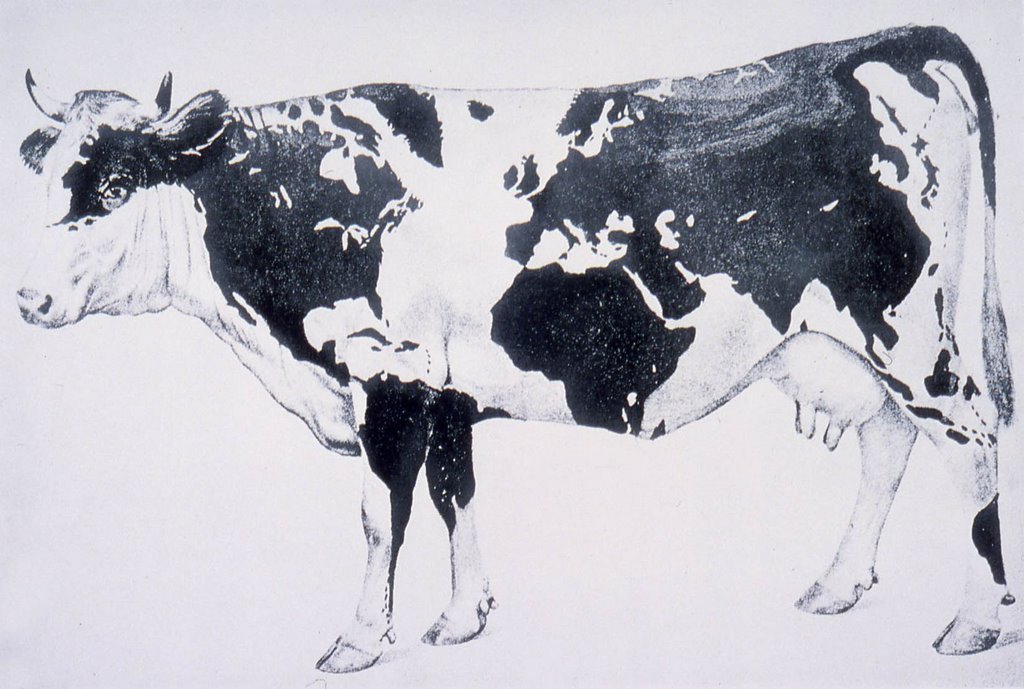
Space of Flows illustration: Artist: Masayuki Amano
From the point of view of physical urban spaces, the impact of the emergence of the space of flows is that of a deepening fragmentation. Physical proximity plays less and less a role in bringing together different entities that co-exist within one locality. Put somewhat schematically, the easier it is to create real-time interaction across distances, the less important is the fact that local co-presence enables real-time interaction as well. From within the networks, on the other hand, people and things that are geographically distant become quasi-locally present for real-time interaction. Thus, we have two interlocking movements, one is fragmentation (on the ground), the other is integration (through flows) of social processes, and the particular cultures through which they are created.
Just as Felix Stalder represents some of these ideas through BBR, so we will try to explore some re-conceptualizations of public space and time in RRP.
The ideas, sometimes complex, that give rise to art are often most effectively communicated through the art itself.
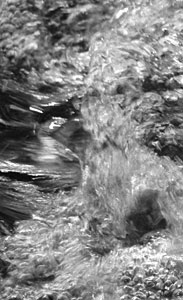 Flows of energy, libido, capital, water and information make our lives possible. The buildings and spaces that support our activities inflect the flows; we tap into them, surf them, block them at our peril, or we may be excluded from them. Flows are global, but have local effects. Buildings are local, but their embodied energies flow from great distances, and their embodiments can cause local or distant turbulences. Everything is moving, intensifying, dispersing; growing, decaying, proliferating, networking, sedimenting, eroding.